
Manual therapy
Gentle techniques for the lumbar spine, the sacroiliac joint and the hip, matched to the acute or sub-acute phase.
The pain shoots from your buttock down the leg, sometimes all the way to the foot. Sitting is hard, sleeping is harder, and every cough reminds you it is there. Sciatica is not a diagnosis in itself — it is a sign that the sciatic nerve is irritated.
The first job is to work out where and why that irritation is happening: whether the source is in the spine, in the sacroiliac joint, or in tight tissue in the buttock. The choice of therapy follows from that.
While the pain is at its worst we focus on reducing symptoms and finding the positions and movements that bring relief. Only then do we start working on the cause and on your tolerance to load.
We match the methods to what the assessment shows — usually combining several of the following.
Gentle techniques for the lumbar spine, the sacroiliac joint and the hip, matched to the acute or sub-acute phase.
Exercises that improve nerve gliding and restore movement in the direction that eases the symptoms in your leg.
Reducing the tension in the gluteal and paraspinal muscles that keeps the irritation going.
Pain relief support while symptoms are at their worst.
Taking load off the lower back and supporting your return to activity.
Licensed physiotherapists with a PWZFz licence number.

Oleksandr
MSc Physiotherapy
PWZFz no. 70983

Anita
MSc Physiotherapy
PWZFz no. 86026
The symptoms below are not an indication for physiotherapy. If you have any of them, contact a doctor urgently or go to the emergency department (SOR).
If your condition suddenly gets worse, call 112. If we notice any of these signs during your assessment, we will not start therapy and will refer you to a doctor.
The items from our price list we use most often here. We discuss the final plan and the cost of therapy after your consultation — before you decide to start.
In most people the symptoms settle gradually over several weeks, but the course varies a great deal. We do not give a timeframe in advance — after the assessment we tell you what we found and how we plan to run the therapy.
Yes, movement within the limits of your pain usually helps more than lying down. We agree the type and the amount of activity individually after the assessment.
It can reduce tension and pain, but on its own it does not remove the cause of the nerve irritation. We use it as one element of therapy, not as the whole of it.
Not always. A doctor decides whether imaging is needed — usually when symptoms are not settling or when neurological deficits appear. If we see such signs during the assessment, we will refer you to a doctor.
Symptoms often overlap — these pages may help too.
Disc bulge and herniation, pain radiating into the leg or arm — therapy guided by your symptoms, not by the MRI report alone.
See detailsLow back pain, morning stiffness, pain when you bend — we look for the cause, not just quieten the symptom.
See detailsPain on the stairs, when running and after long periods of sitting, swelling, a feeling of instability — we assess the hip and the foot too.
See detailsBook an appointment
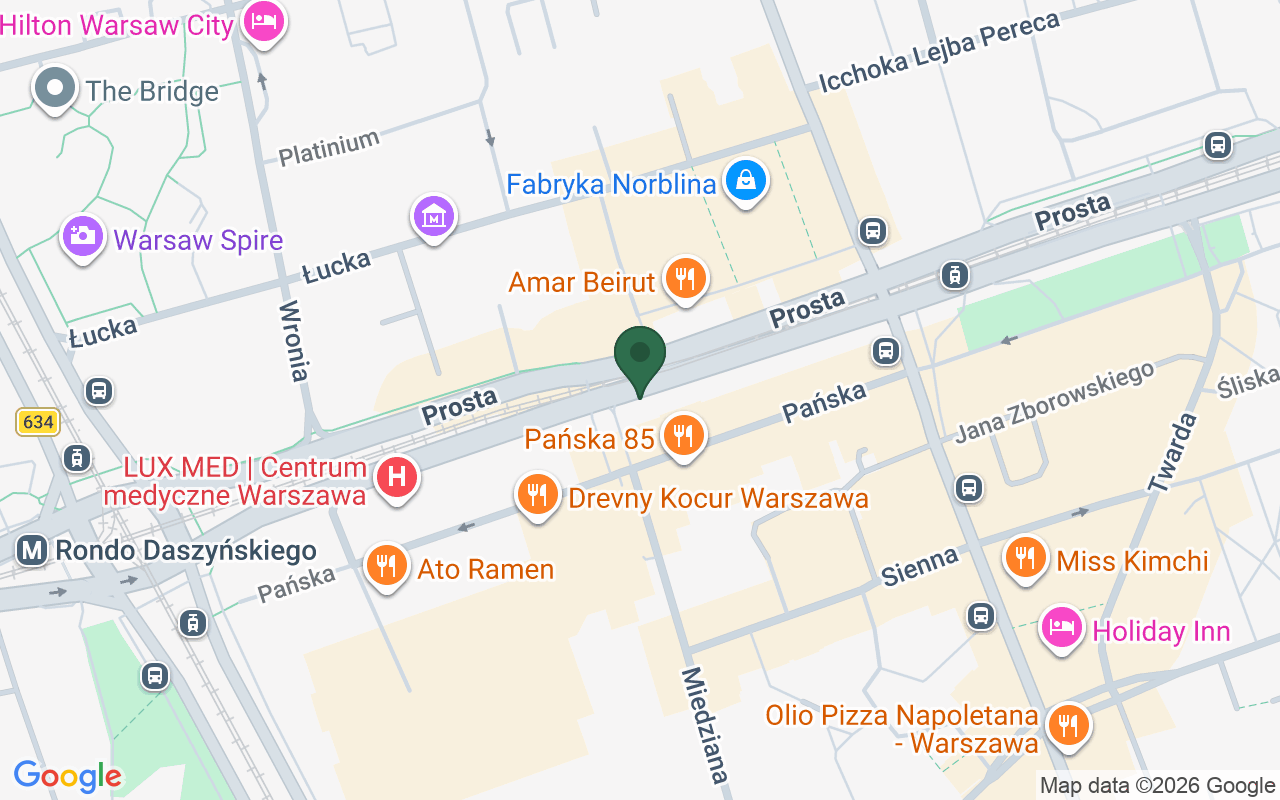
At your first visit we examine you, look for the cause and set out a therapy plan together with the expected cost. We see patients in central Warsaw, a few minutes from Rondo ONZ metro station.
Request
Leave your details — we call back the same working day, answer your questions and offer a consultation time.
Prefer to talk right now?
+48 573 323 068Contact
We're here to help you get back to full health.
This page is for information only and does not replace a medical consultation or an individual physiotherapy assessment.