
Manual therapy
Techniques for the joints and soft tissues of the lower back and hips — they reduce pain and restore movement.
Getting out of bed in the morning is hard, at work you keep shifting to find a position that doesn't hurt, and in the evening your back reminds you it is there the moment you bend down for the shopping. Back pain rarely appears overnight — it usually builds over weeks, until it starts deciding what you can and can't do.
Most episodes of back pain are mechanical in origin: overloaded muscles and joints, restricted mobility, weak trunk stability. That is good news, because these are exactly the factors physiotherapy can genuinely change.
We start with an assessment, not a treatment. Only once we know which structures are overloaded and why do we choose the therapy — and show you what to do between visits so the result lasts.
We match the methods to what the assessment shows — usually combining several of the following.
Techniques for the joints and soft tissues of the lower back and hips — they reduce pain and restore movement.
Exercises matched to what the assessment shows: movement control and unloading first, then strengthening trunk stability.
Work on chronic tension in the muscles alongside the spine and in the glutes.
Pain relief support while symptoms are at their worst — as an addition to exercise-based therapy, not a replacement for it.
Local unloading and work on tension in the tissues around the spine between visits.
The final stage — preparing you for the loads you actually meet in your work and your activities.
Licensed physiotherapists with a PWZFz licence number.

Oleksandr
MSc Physiotherapy
PWZFz no. 70983

Anita
MSc Physiotherapy
PWZFz no. 86026
The symptoms below are not an indication for physiotherapy. If you have any of them, contact a doctor urgently or go to the emergency department (SOR).
If your condition suddenly gets worse, call 112. If we notice any of these signs during your assessment, we will not start therapy and will refer you to a doctor.
The items from our price list we use most often here. We discuss the final plan and the cost of therapy after your consultation — before you decide to start.
A short rest in a comfortable position can help in the first few hours, but staying in bed for long usually makes recovery slower. We advise keeping up as much movement as the pain allows — and we agree exactly how much after the assessment.
No. You need neither a referral nor imaging to come for a consultation. If you already have results, bring them with you. If the assessment shows anything that needs medical investigation, we will tell you straight away.
It depends on how long the pain has been there and what is causing it. We give you the expected number of visits after the consultation and assessment — before you decide to start therapy.
Massage reduces tension and pain well, but it rarely changes the cause. A more lasting result comes from combining manual therapy with exercise and with changes to how you load your body during the day.
Often yes, but with the exercises and the loads modified. After the assessment we will tell you what is best avoided for now and what you can do without provoking symptoms.
Symptoms often overlap — these pages may help too.
Disc bulge and herniation, pain radiating into the leg or arm — therapy guided by your symptoms, not by the MRI report alone.
See detailsShooting pain from the buttock down to the foot, numbness, pain when sitting — we work out where the nerve is being irritated.
See detailsStiff neck, tight shoulders, headaches starting at the base of the skull after a day at the screen — we work on the cause and on your workstation.
See detailsBook an appointment
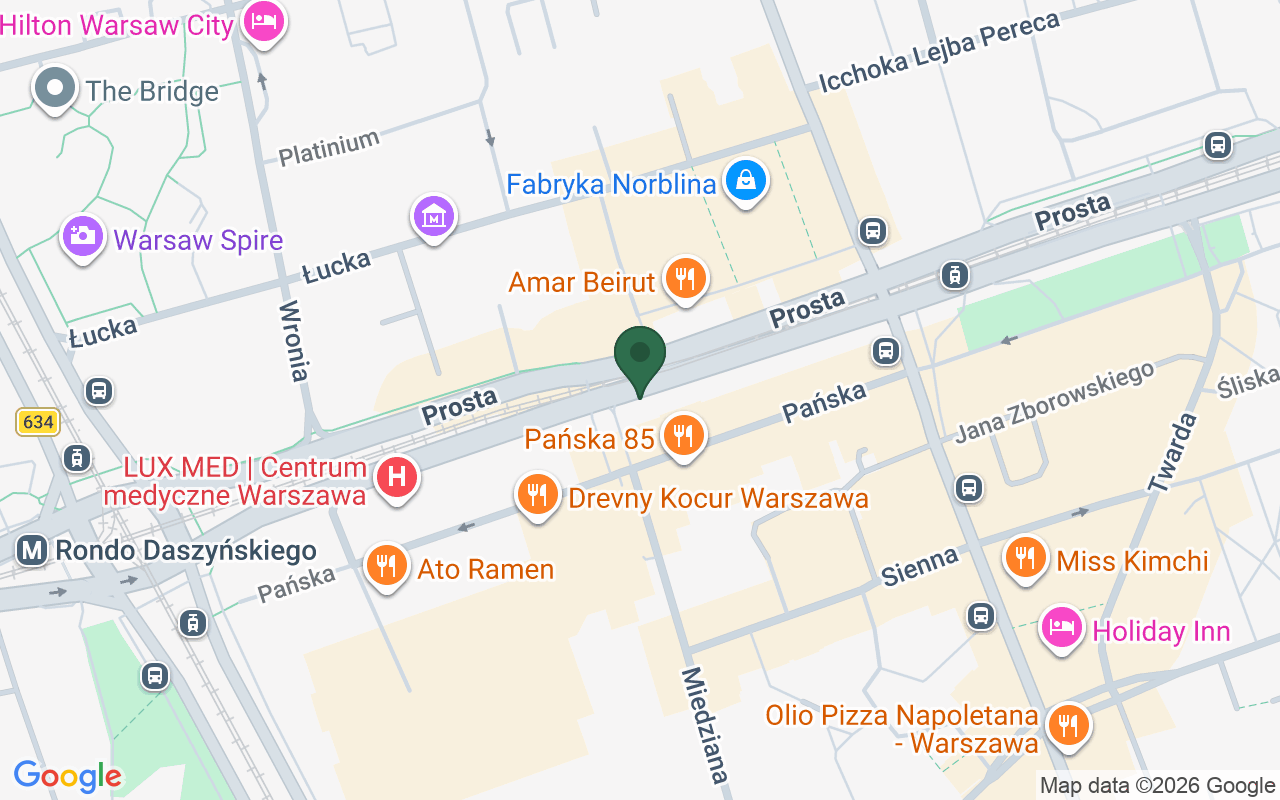
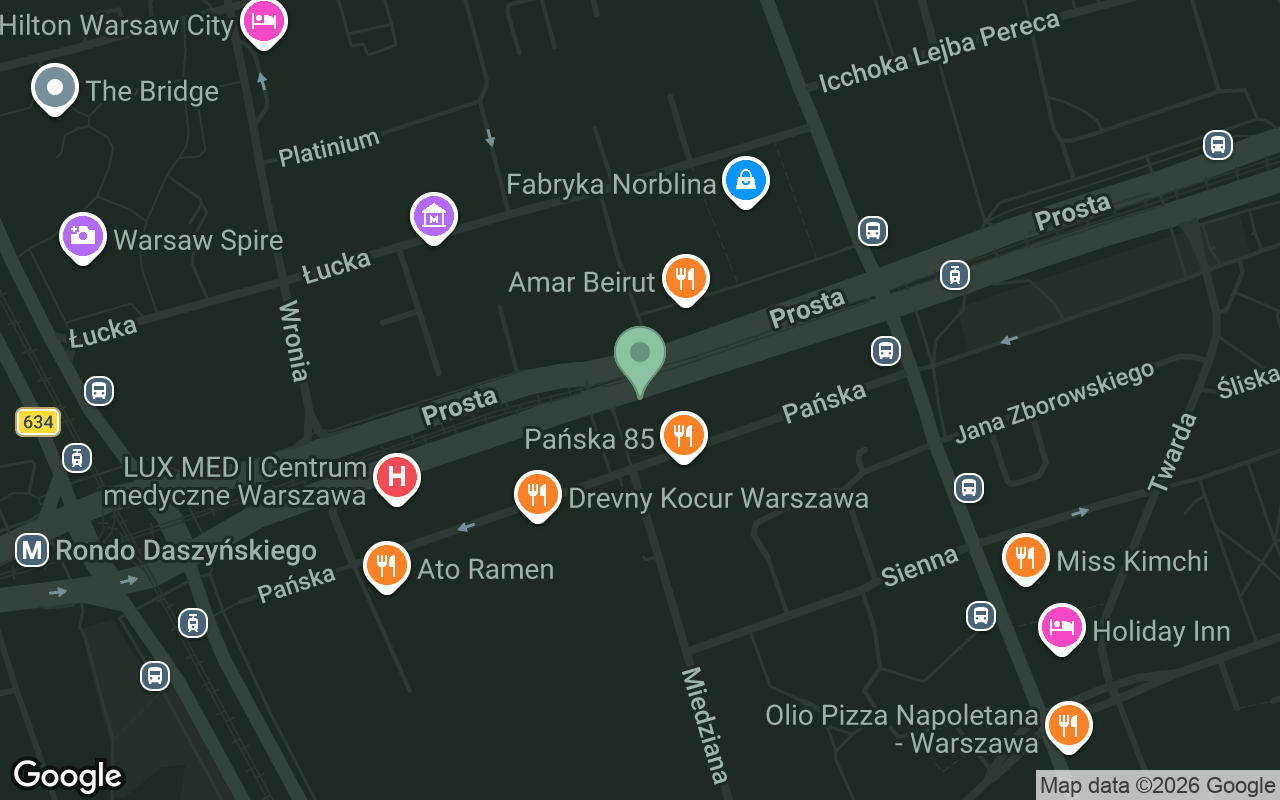
At your first visit we examine you, look for the cause and set out a therapy plan together with the expected cost. We see patients in central Warsaw, a few minutes from Rondo ONZ metro station.
Request
Leave your details — we call back the same working day, answer your questions and offer a consultation time.
Prefer to talk right now?
+48 573 323 068Contact
We're here to help you get back to full health.
This page is for information only and does not replace a medical consultation or an individual physiotherapy assessment.