
Manual therapy and myofascial techniques
Taking load off the overloaded segments and working on tension in the muscles alongside the spine.
An MRI report that mentions a herniation sounds alarming, and it is easy to conclude that surgery is the only way out. In practice most of these situations are managed conservatively — provided the therapy responds to your symptoms, and not only to the wording of the report.
Changes in the intervertebral discs also show up on imaging in people who have no symptoms at all. That is why we treat the MRI report as one piece of information among several, and build the therapy plan on the assessment: on what reproduces your pain and what reduces it.
We also check for neurological signs that would need urgent medical assessment. If we find any, we will tell you immediately and refer you to a doctor.
We match the methods to what the assessment shows — usually combining several of the following.
Taking load off the overloaded segments and working on tension in the muscles alongside the spine.
Exercises in the direction that eases the symptoms in your limb, plus learning to bend and lift safely.
Pain relief support when symptoms are severe, as an addition to exercise-based therapy.
Unloading and supporting the affected part of the spine while the pain is at its worst.
Building tolerance to load so the symptoms do not return when you go back to work and to sport.
Licensed physiotherapists with a PWZFz licence number.

Oleksandr
MSc Physiotherapy
PWZFz no. 70983

Yulia
MSc Physiotherapy
PWZFz no. 83011
The symptoms below are not an indication for physiotherapy. If you have any of them, contact a doctor urgently or go to the emergency department (SOR).
If your condition suddenly gets worse, call 112. If we notice any of these signs during your assessment, we will not start therapy and will refer you to a doctor.
The items from our price list we use most often here. We discuss the final plan and the cost of therapy after your consultation — before you decide to start.
No. For most patients, management starts with conservative treatment. The decision about surgery is made by a doctor — usually when neurological deficits are increasing, or when symptoms do not settle despite the treatment given.
In some patients the bulge does reduce on its own over time, although this cannot be predicted in advance. Either way, the aim of therapy is to reduce your symptoms and restore function — and that is possible even when the change on the MRI remains.
This is a common situation. Disc changes are also seen in people with no symptoms at all. That is why we set up therapy according to your symptoms and the assessment, and treat the MRI report as one piece of information rather than a verdict.
Usually yes, but the choice of exercises matters a great deal. After the assessment we will show you which movements are safe for you now and how to build back up to heavier loads.
Symptoms often overlap — these pages may help too.
Shooting pain from the buttock down to the foot, numbness, pain when sitting — we work out where the nerve is being irritated.
See detailsLow back pain, morning stiffness, pain when you bend — we look for the cause, not just quieten the symptom.
See detailsAfter ACL surgery, arthroscopy, a fracture or a joint replacement — regaining range of motion, strength and confidence in loading the limb.
See detailsBook an appointment
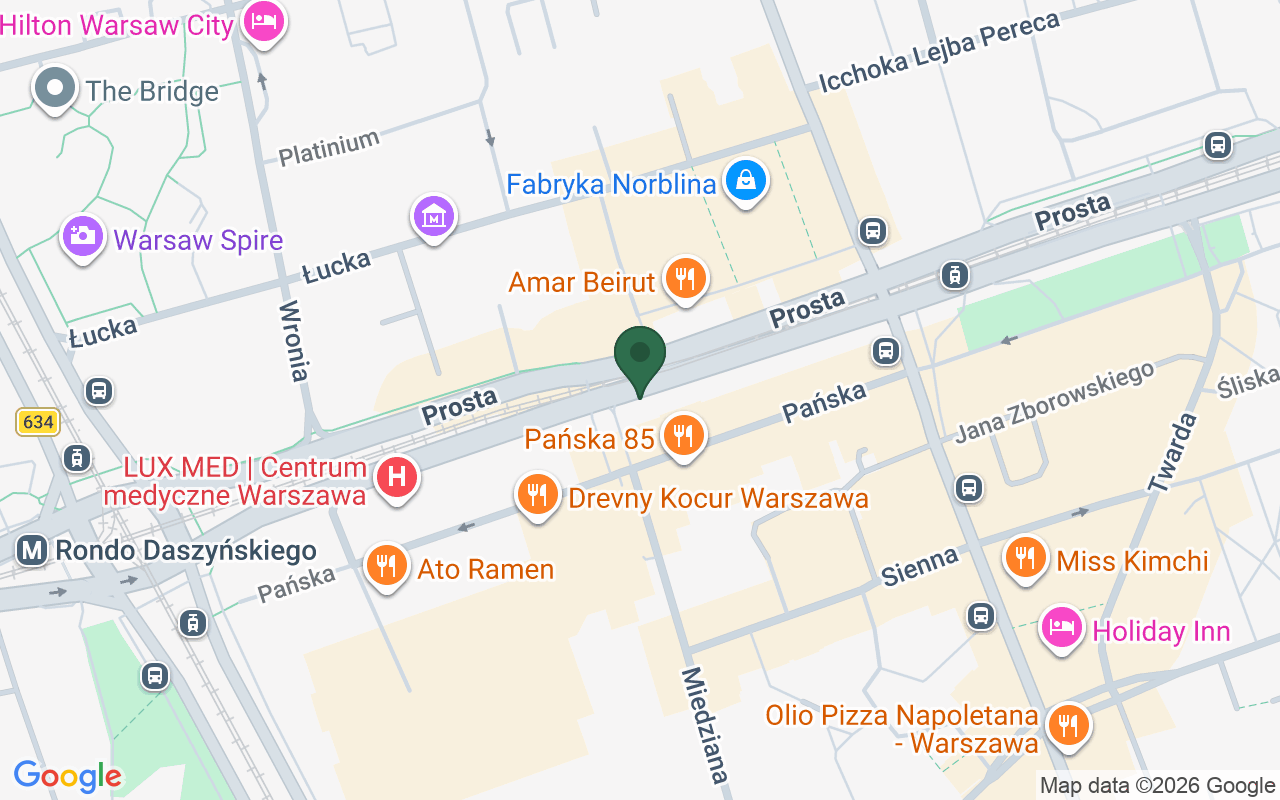
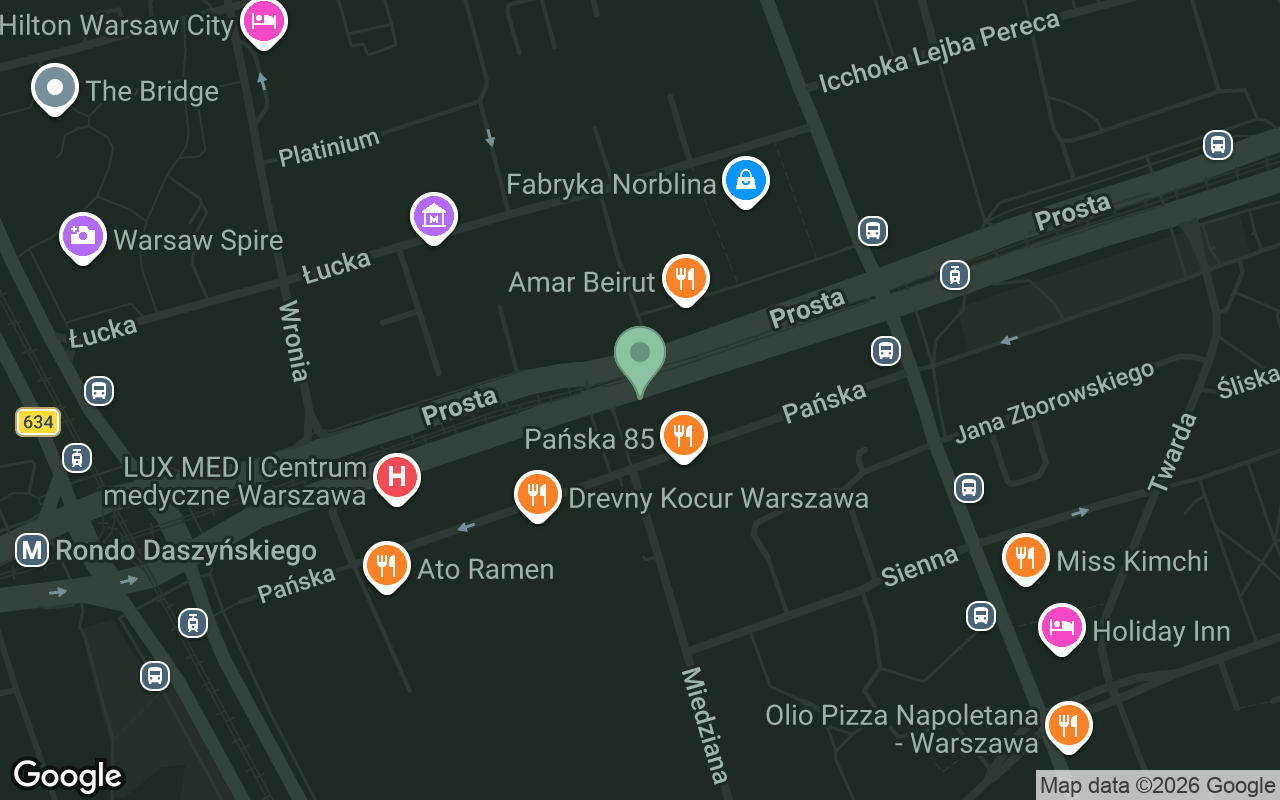
At your first visit we examine you, look for the cause and set out a therapy plan together with the expected cost. We see patients in central Warsaw, a few minutes from Rondo ONZ metro station.
Request
Leave your details — we call back the same working day, answer your questions and offer a consultation time.
Prefer to talk right now?
+48 573 323 068Contact
We're here to help you get back to full health.
This page is for information only and does not replace a medical consultation or an individual physiotherapy assessment.